
What Exotic Pet Owners Should Know About Parasites
What Exotic Pet Owners Should Know About Parasites
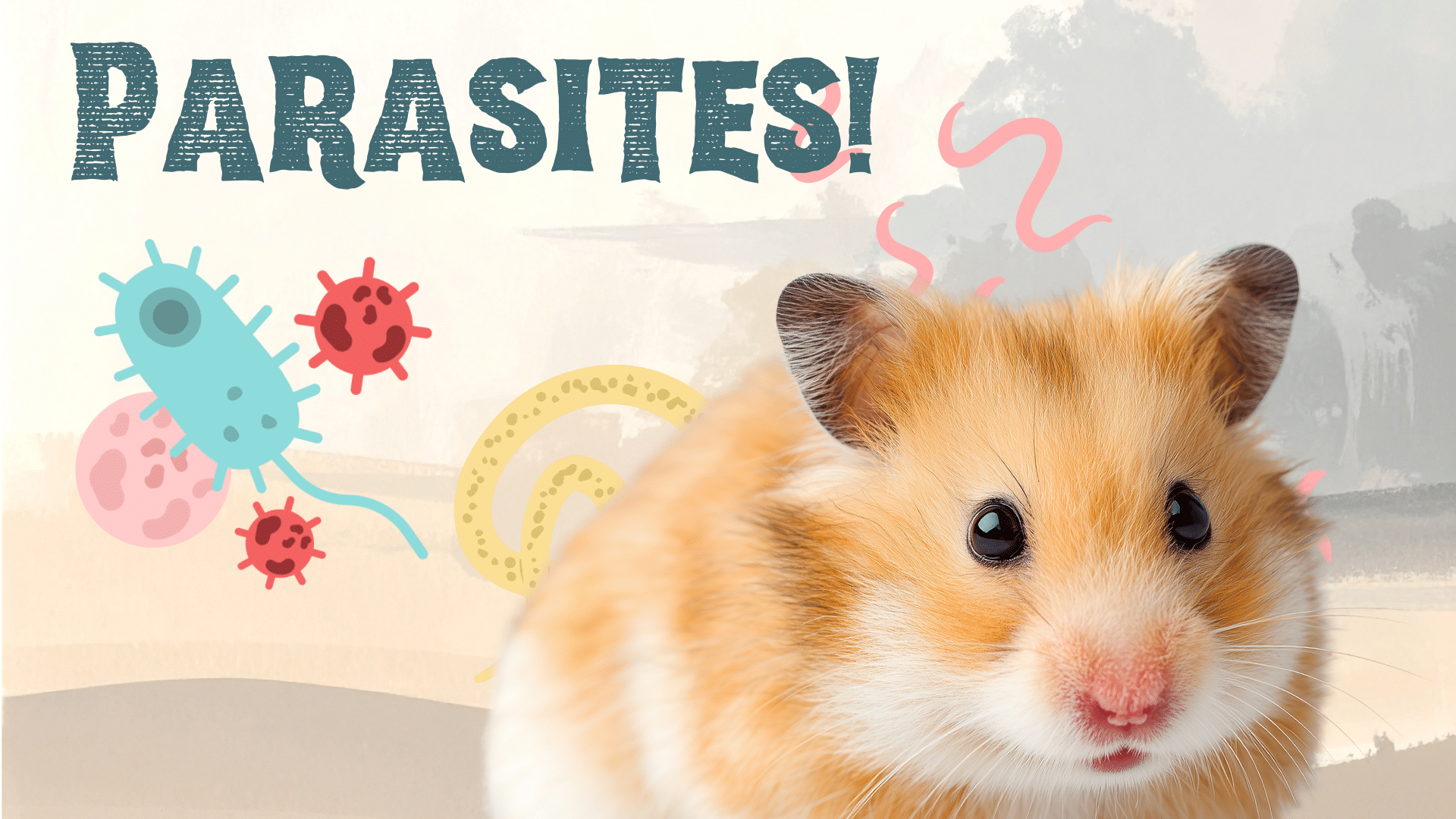
Pet parasites can affect birds, rabbits, pocket pets, and other exotic animals. They may develop internal or external parasites that affect their comfort and health. Because early signs of parasites aren’t always obvious, owners may not immediately realize there is a problem.
The Bird & Exotic Hospital in Greenacres, FL provides veterinary care specifically for exotics, avians, rabbits, and pocket pets. We want local pet owners to know that parasite care is important.

Parasites Can Affect Exotic Pets
Pet parasites vary considerably among species. Some animals may develop external parasites that affect the skin, feathers, fur, or ears, while others can be affected by parasites living inside the digestive system or elsewhere in the body.
Exotic pets can encounter mites and other parasites that have their own potential risks. An animal’s environment, species, age, health, and exposure to other animals can all influence which parasites are a concern. This makes species-specific veterinary guidance particularly important for exotic pet owners.
Year-Round Awareness Matters in Florida
Parasite concerns do not always disappear when summer ends. South Florida’s warm climate means owners in Greenacres should remain aware of potential parasite exposures throughout the year.
Indoor pets are not automatically free from risk either. Parasites or their carriers may enter a home through other animals, people, bedding, food, or environmental materials, depending on the parasite involved.

Small Changes Can Be Important Clues
Exotic pet parasites may cause itching, changes in the skin or coat, digestive problems, weight loss, reduced appetite, or unusual behavior, depending on the animal and parasite involved. Birds may show changes in their feathers, appearance, activity, or droppings. Pocket pets may become less active, lose weight, scratch more frequently, or develop visible changes to their skin and fur.
These signs are not exclusive to parasites. Many medical conditions can cause similar symptoms, which is why trying to diagnose an exotic pet at home can be risky. A veterinary examination at The Bird & Exotic Hospital and appropriate diagnostic testing can help identify what is actually affecting your pet.
Avoid One-Size-Fits-All Parasite Treatments
A parasite product designed for one species should never automatically be assumed safe for another. Exotic pets have unique anatomy, physiology, body size, and medication needs. A treatment that is appropriate for one animal could be ineffective or potentially dangerous for another.
Instead of relying on general online recommendations, ask an exotic veterinarian about prevention, testing, and treatment.

Support Prevention Through Good Daily Care
Keeping enclosures clean, providing appropriate nutrition, observing your pet every day, and limiting unsafe exposure to unfamiliar animals can support overall health. Owners should also pay attention to subtle changes in eating, drinking, droppings, activity, grooming, feathers, fur, or body condition.
Regular veterinary care provides another opportunity to discuss pet parasites before a problem becomes severe. This can be especially valuable with birds and exotic pets because subtle changes may be the first indication that something is wrong.
Turn to The Bird & Exotic Hospital for Exotic Pet Parasite Care in Greenacres, FL
Parasites can cause significant discomfort and, in some cases, serious health complications. Owners of birds, rabbits, pocket pets, and other exotic animals should take unusual symptoms seriously and seek species-appropriate veterinary guidance rather than attempting treatment on their own.
The Bird & Exotic Hospital serves exotic pet owners in Greenacres, Wellington, and Lake Worth. If you are concerned about parasites or another change in your exotic pet’s health, schedule an appointment with our experienced exotic veterinary team.
Pet parasites can affect birds, rabbits, pocket pets, and other exotic animals. They may develop internal or external parasites that affect their comfort and health. Because early signs of parasites aren’t always obvious, owners may not immediately realize there is a problem.
The Bird & Exotic Hospital in Greenacres, FL provides veterinary care specifically for exotics, avians, rabbits, and pocket pets. We want local pet owners to know that parasite care is important.
Parasites Can Affect Exotic Pets
Pet parasites vary considerably among species. Some animals may develop external parasites that affect the skin, feathers, fur, or ears, while others can be affected by parasites living inside the digestive system or elsewhere in the body.
Exotic pets can encounter mites and other parasites that have their own potential risks. An animal’s environment, species, age, health, and exposure to other animals can all influence which parasites are a concern. This makes species-specific veterinary guidance particularly important for exotic pet owners.
Year-Round Awareness Matters in Florida
Parasite concerns do not always disappear when summer ends. South Florida’s warm climate means owners in Greenacres should remain aware of potential parasite exposures throughout the year.
Indoor pets are not automatically free from risk either. Parasites or their carriers may enter a home through other animals, people, bedding, food, or environmental materials, depending on the parasite involved.
Small Changes Can Be Important Clues
Exotic pet parasites may cause itching, changes in the skin or coat, digestive problems, weight loss, reduced appetite, or unusual behavior, depending on the animal and parasite involved. Birds may show changes in their feathers, appearance, activity, or droppings. Pocket pets may become less active, lose weight, scratch more frequently, or develop visible changes to their skin and fur.
These signs are not exclusive to parasites. Many medical conditions can cause similar symptoms, which is why trying to diagnose an exotic pet at home can be risky. A veterinary examination at The Bird & Exotic Hospital and appropriate diagnostic testing can help identify what is actually affecting your pet.
Avoid One-Size-Fits-All Parasite Treatments
A parasite product designed for one species should never automatically be assumed safe for another. Exotic pets have unique anatomy, physiology, body size, and medication needs. A treatment that is appropriate for one animal could be ineffective or potentially dangerous for another.
Instead of relying on general online recommendations, ask an exotic veterinarian about prevention, testing, and treatment.
Support Prevention Through Good Daily Care
Keeping enclosures clean, providing appropriate nutrition, observing your pet every day, and limiting unsafe exposure to unfamiliar animals can support overall health. Owners should also pay attention to subtle changes in eating, drinking, droppings, activity, grooming, feathers, fur, or body condition.
Regular veterinary care provides another opportunity to discuss pet parasites before a problem becomes severe. This can be especially valuable with birds and exotic pets because subtle changes may be the first indication that something is wrong.
Turn to The Bird & Exotic Hospital for Exotic Pet Parasite Care in Greenacres, FL
Parasites can cause significant discomfort and, in some cases, serious health complications. Owners of birds, rabbits, pocket pets, and other exotic animals should take unusual symptoms seriously and seek species-appropriate veterinary guidance rather than attempting treatment on their own.
The Bird & Exotic Hospital serves exotic pet owners in Greenacres, Wellington, and Lake Worth. If you are concerned about parasites or another change in your exotic pet’s health, schedule an appointment with our experienced exotic veterinary team.